Written by: Enerzip Power Technology (Weifang) Co., Ltd. – Content & Technical Marketing Team
Reviewed by: Enerzip Power Technology (Weifang) Co., Ltd. – Applications & Integration Team
Last updated: 12-Apr-2026
Update policy: This guide is reviewed when common project requirements for backup generator sizing, ATS transfer expectations, redundancy philosophy, fuel autonomy targets, mission-critical load protection, generator duty rating selection, site environmental conditions, or application-specific power architecture for data centers, hospitals, industrial facilities, and mines materially change.
Scope: Practical guidance for choosing the right backup generator for data centers, hospitals, industrial facilities, and mines, with a focus on load classification, standby / prime / continuous duty logic, redundancy strategy, fuel selection, motor starting, site conditions, power quality, transfer speed, and real-world backup power architecture.
Note: In this article, “backup generator” refers to application-matched generator systems used to support critical operations during utility failure or unstable grid conditions. Depending on project needs, this may include standby diesel generators, natural gas generators, distributed generator sets, central generator plants, or multi-generator backup power systems with ATS and paralleling controls.
Choosing the right backup generator is not just about matching kVA to connected load. In real projects, the correct generator depends on the operating profile of the facility, the critical loads that must remain available, the required transfer speed after utility failure, the expected runtime, and the site conditions under which the system must perform. A good backup generator is not simply a machine that starts. It is a system that restores the right loads, in the right order, with the right level of stability.
This matters because different facilities place very different demands on backup power. A data center generator is selected around uptime, UPS interaction, cooling continuity, and future expansion. Hospital generators are selected around life-safety continuity, essential electrical branches, transfer speed, and clinical risk. Industrial generators are selected around process continuity, motor starting, and restart stability. A mining diesel generator must also survive weak-grid conditions, dust, heat, long operating hours, difficult logistics, and remote maintenance.
That difference is why many projects underperform after purchase. Buyers often compare only power rating, engine brand, alternator brand, delivery time, and price. Those factors matter, but they do not answer the main engineering question: what exactly must the generator system do when utility power fails, becomes unstable, or returns unexpectedly? ISO 8528-1 is important here because it defines classifications for the application, rating, and performance of generating sets and is intended to support clear understanding between manufacturer and customer.
For critical facilities, backup power is part of a wider power architecture. In data centers, the Uptime Institute Tier Standard and ANSI/TIA-942 are widely used reference points for resilience, redundancy, topology, and infrastructure scope. Uptime describes four classifications of site infrastructure topology based on increasing levels of redundant capacity components and distribution paths, while TIA says ANSI/TIA-942 specifies minimum requirements for data centers and covers physical infrastructure including site location, architectural, electrical, mechanical, fire safety, telecommunications, security, and related requirements.
Hospitals are different, but no less demanding. NFPA 110 covers performance requirements for emergency and standby power systems, while Joint Commission guidance tied to NFPA 99 explains that Type 1 essential electrical systems are divided into life safety, critical, and equipment branches, with the life safety and critical branches transferring within 10 seconds of an electrical interruption.
For industrial facilities and mines, the standards environment may be less code-driven than a hospital, but the selection process is still application-led. An industrial standby generator that cannot accept the first large motor step is a problem. A generator for mining that overheats in a dusty enclosure or cannot be maintained in the field is also a problem. The right generator is not only the one that starts. It is the one that matches the operating risk of the site.
This guide is designed as a high-level selection framework for buyers comparing a data center backup generator, a backup generator for hospital use, industrial backup power options, industrial power generators, and mining power generator solutions. It is also intended to help readers decide when one broad comparison article is enough and when a dedicated application page or project study is needed.
Why One Backup Generator Strategy Does Not Fit Every Facility
A professional generator supplier should not begin with only one question: “How many kVA do you need?” The better starting point is to ask which loads must stay online, how fast power must return, how long the system may need to run, what the largest load step looks like, and what site conditions will affect performance.
A data center backup power system may need to support server rooms, UPS recharge, CRAH or CRAC units, pumps, fire systems, controls, and future capacity growth. A backup generator for hospital applications may need to protect the life safety branch, critical branch, equipment branch, ICU loads, operating room loads, and core hospital IT. Industrial backup power projects may need to support compressors, pumps, conveyors, chillers, instrumentation, and staged plant restart. A mine site generator may need to support dewatering, crushing, ventilation, workshops, camps, water treatment, and remote communications.
This is why one general standby sizing formula does not work for every project. In data centers, generator selection is connected to resilience goals. In hospitals, generator selection is connected to clinical continuity. In factories, generator selection is connected to process stability and restart risk. In mines, generator selection is connected to fuel logistics, uptime, and site survivability.
The Eight Questions Every Serious Buyer Should Answer First
1. What loads must stay online, and what loads can wait?
Not every load needs immediate restoration. In hospitals, some loads are life-safety or critical-care loads, while others are less urgent. In data centers, UPS-backed IT load may bridge the first seconds, but cooling continuity still matters. In industrial facilities, emergency lighting and controls may return first while major process loads are sequenced later. In mines, dewatering or process plant loads may take priority over workshops or camp accommodation.
2. Is the system truly standby, or will it operate more like prime support?
This is one of the most expensive mistakes in generator procurement. A backup generator used only during occasional outages is selected differently from a system that supports frequent weak-grid conditions or long-hour operation. Industrial diesel generator and mining backup generator projects often fail when buyers specify standby equipment for what is actually quasi-prime duty.
3. What is the largest single-step load?
One large chiller, compressor, crusher, or pump can determine the generator size more than the average running load. This is a major issue in industrial generators, large industrial generators, and mining generators.
4. How fast must power return?
Hospitals and other critical sites may have much tighter restoration expectations than ordinary commercial buildings. In healthcare, Joint Commission states that actual emergency conditions require sensing loss of normal power and providing emergency power within 10 seconds from a cold start.
5. What fuel strategy is realistic?
Diesel remains the dominant choice for hospital backup generators, many data center backup generator installations, industrial standby generator applications, and mining diesel generator plants because of strong step-load performance, fast emergency start, and well-understood fuel storage. Natural gas generators for data centers and industrial natural gas generator systems can be strong options in the right market, but only if gas quality, pressure, utility dependence, and service support fit the application.
6. What site conditions will reduce performance?
High ambient temperature, altitude, poor ventilation, dust, corrosive atmosphere, cold starts, and difficult maintenance access all change generator behavior. A large industrial generator selected without considering real site conditions can become unreliable even when its nameplate rating looks sufficient.
7. Is one large unit better than several smaller units?
Not always. N+1 logic or synchronized multi-set architecture often improves resilience, maintenance flexibility, and staged load restoration. This matters in data center backup power systems, Hospital Backup Generators, industrial power generators, and large mining generators.
8. How will the system be tested and supported?
The quotation is only part of the answer. Serious buyers should ask how ATS operation, load steps, alarms, controls, and real-site behavior will be tested. In healthcare, Joint Commission guidance continues to emphasize monthly testing under load and additional annual or triennial loading requirements in certain cases.
How to Choose a Data Center Backup Generator
A data center generator is not just a power source. It is part of a data center backup power solution designed to protect digital infrastructure, support uptime objectives, and allow controlled recovery of the facility during a utility event.
Start With the Uptime Objective, Not the Genset Size
A generator for server rooms is not selected the same way as a generator plant for a government cloud platform, a colocation hall, or a hyperscale facility. Buyers comparing a data center power generator or data center backup power systems should begin with the resilience logic of the site, not just the present kW number.
Understand the Load Profile Beyond the UPS
A common mistake in generator data center projects is to focus only on IT load. In reality, a data center backup generator may also need to support UPS recharge, CRAH or CRAC systems, chilled-water auxiliaries, pumps, fire systems, security systems, controls, and support spaces.
Where UPS-backed IT load is dense and mechanical systems must recover quickly, buyers should size the data center backup generator around staged cooling restoration, UPS recharge behavior, and future IT density growth rather than steady-state server load alone. That is usually a better engineering starting point than using total connected IT load by itself.
Diesel or Natural Gas for Data Center Backup Power?
A data center diesel generator remains the default in many mission-critical projects because diesel offers predictable emergency-start behavior, strong transient response, and independence from real-time pipeline conditions. That is why diesel generator data center projects for enterprise, colocation, and government cloud facilities often remain diesel-based even when gas is available.
Natural gas generators for data centers can be attractive in some markets, especially where gas infrastructure is mature and the operating model supports it. But buyers should still ask a mission-critical question: if the grid event is severe, can the fuel source, pressure control, utility dependence, and maintenance support be trusted at the exact moment the site needs them? For readers evaluating different fuel platforms, this is also a good point to review Enerzip’s Natural Gas Generator Sets.
Cooling Continuity Matters as Much as Power Continuity
A data center backup power system that protects only the electrical side is incomplete. Even if UPS-backed IT load rides through generator startup, unstable cooling recovery can still create a facility problem. This is why the best data center power generation strategies include staged mechanical pickup, generator headroom, and real acceptance testing rather than paper sizing alone. In many projects, system behavior is closely linked to ATSE automatic transfer switching and paralleling and grid-connect controls.
Case Example: Weifang Smart City Center
Enerzip has supported high-availability digital infrastructure where the generator design had to match real uptime priorities. The Weifang Municipal Government Cloud is a strong example.
The Weifang Smart City Center is built around approximately 15 MW of total power capacity, around 300 racks, dual 10 kV utility feeds, 2N redundant UPS, and standby diesel generator backup. For a project like this, the true engineering challenge is not simply choosing a data center diesel generator by rating. The challenge is building a scalable backup power architecture that protects government cloud operations, supports future growth, and maintains reliability during utility disturbances.
For buyers evaluating a data center backup generator, this kind of project highlights the right priorities: uptime target, redundancy philosophy, cooling continuity, fuel autonomy, maintainability, and future capacity planning.
What Buyers Should Include in a Data Center Generator RFQ
A useful RFQ for a data center generator should include the IT load and non-IT critical load, UPS ride-through and recharge assumptions, cooling load and mechanical sequencing, resilience target, ATS or synchronizing strategy, fuel autonomy target, future rack growth, and acceptance test scope.
How to Choose Hospital Generators, Emergency Generators for Hospitals, and Backup Power for Medical Facilities
Hospitals are among the most demanding generator applications because power failure can affect life safety, critical treatment, digital records, imaging, and emergency response. This is why hospital generators, backup generator for hospital projects, generators for hospitals, and generator for hospital use should always be selected through a clinical continuity lens, not just a building-load lens. Buyers who want a deeper application-focused overview can also review Enerzip’s Hospital Backup Generators page.
The Hospital Question Is Not Just “How Much Load?”
The more important question is which loads must be restored, in what order, and under what operating conditions. Joint Commission guidance tied to NFPA 99 explains that a Type 1 essential electrical system is divided into three branches: life safety, critical, and equipment.
Transfer Speed and Branch Logic Matter
In healthcare, the transfer sequence matters because not every load has the same urgency. A hospital diesel generator system must be evaluated around life-safety continuity, branch logic, ATS behavior, and the practical role of UPS-backed loads. The goal is not simply to restore the whole building. The goal is to restore the right loads, in the right order, with the right performance.
For hospital generators, branch separation, transfer philosophy, and departmental load mapping often matter more than total connected kW. That is especially true where ICU, operating rooms, medical gas support, nurse call systems, imaging support, and digital hospital systems must remain available. In many hospital projects, that also means matching the generator design with automatic transfer switches and a properly planned essential power sequence.
Power Quality Matters for Generators for Medical Equipment
The phrase generators for medical equipment is often used in search, but in practice serious medical equipment is usually protected by a layered electrical system rather than a simple direct generator connection. Voltage regulation, frequency stability, ATS timing, branch separation, UPS support, and control logic all matter. That is why a strong backup generator for hospital use is part of a hospital power architecture, not just a diesel engine with an alternator.
Fuel Autonomy and Testing Are Part of Emergency Readiness
Healthcare buyers are not purchasing brochure power. They are purchasing emergency readiness. Joint Commission guidance says the monthly emergency power system load test is initiated by a simulated or actual loss of normal electrical power, and diesel-powered emergency generators are tested beginning with a cold start under load for at least 30 continuous minutes.
Case Example: Bạch Mai Hospital, Vietnam
Enerzip’s healthcare project experience includes backup power tailored to real medical operations. Bạch Mai Hospital in Vietnam is a representative case.
As a leading national-level general hospital, Bạch Mai requires a resilient power architecture built around life-safety continuity, clinical protection, and emergency response. Its backup power design follows a three-layer approach: a centralized main generator plant, distributed dedicated generator sets for critical departments, and UPS support for key medical and digital systems.
For the main standby plant, the hospital uses Enerzip C Series diesel generator sets powered by Cummins engines with Wuxi Stamford alternators. In the centralized generator room, the configuration includes two 1200 kW main generator sets and one 1000 kW standby generator set in an N+1 arrangement. The system uses fully automatic ATS transfer and was designed with a site-specific generator start, transfer, and load acceptance target of 15 seconds or less after utility failure, based on the project’s own operating and engineering requirements. Underground fuel storage supports 24 hours or more of full-load operation.
To improve clinical continuity further, the hospital also uses distributed dedicated generator sets for critical departments. The ICU and operating room cluster is supported by two 500 kW dedicated generator sets. The Oncology Center and Pediatric Cardiology Center are supported by one independent 300 kW generator set. The information center and data room are supported by one 500 kW generator set to help protect HIS, LIS, and PACS continuity.
This example shows why Hospital Backup Generators should not be treated as generic building standby units. In real hospitals, continuity comes from architecture, branch planning, redundancy, and critical-load segmentation.
What Buyers Should Include in a Hospital Generator RFQ
A strong RFQ for hospital generators should include protected branches and departments, maximum acceptable transfer time, ICU and OR load priority, central plant or distributed-set logic, minimum runtime target, ATS sequencing, UPS coordination, and commissioning scope.
How to Choose Industrial Generators for Factories, Process Plants, and Heavy Industrial Facilities
Industrial generators cover a wide range of sites, including fertilizer plants, chemicals, packaging, metalworking, food processing, building materials, cold storage, and general manufacturing. That is why the phrase industrial generators is broad in marketing terms but very specific in engineering terms. For a more application-led overview, readers can also visit Enerzip’s Industrial Power Generator page.
Industrial Loads Are Usually Harder Than Commercial Loads
Industrial facilities often contain large motors, pumps, compressors, conveyors, chillers, VFD-driven equipment, instrumentation, and process utility systems. Restarting these loads after an outage is not the same as restoring a general commercial building.
That is why industrial backup generator selection should focus on the largest motor and starting method, the sequence of process restart, voltage and frequency dip tolerance, partial-load behavior, duty cycle, and site conditions. In many industrial standby generator applications, the largest motor or process block matters more than the average kW.
A practical industrial generator selection should begin with the largest motor, the restart sequence after an outage, and the plant’s tolerance for voltage and frequency dip. In many industrial facilities, those three factors influence generator sizing more than average running load. That is true whether the buyer is evaluating industrial electric generators, large industrial generator packages, or a diesel generator for industrial use.
Standby, Frequent Support, or Quasi-Prime Duty?
Many factories ask for an industrial backup generator, but the real operating pattern may be frequent support due to weak grid conditions. That changes the selection logic completely. An industrial diesel generator specified for rare outages may not be the right solution for daily support. This is one reason buyers should be honest about actual runtime expectations from the beginning.
Diesel or Gas for Industrial Backup Power?
Industrial diesel generator systems remain common because of strong step-load performance and fast emergency response. An industrial natural gas generator or industrial gas generator can still be an excellent option where gas infrastructure is stable, emissions requirements favor gas, and the operating profile justifies it. The correct answer should come from site reality, not trend language. In most industrial projects, buyers compare both Diesel Generator Sets and Natural Gas Generator Sets before finalizing the fuel strategy.
Redundancy Often Beats One Big Machine
One large industrial generator may look simpler, but in many plants an N+1 or synchronized multi-set arrangement is more resilient. It supports staged restoration, cleaner maintenance windows, and lower single-point-failure risk. This is especially important where plant restart is expensive or slow.
Case Example: PhilPhos Industrial Standby Power
Enerzip has supported industrial standby power projects where the goal was to reduce interruption risk in a process environment. Philippine Phosphate Fertilizer Corp. (PhilPhos) is a representative example.
For this project, Enerzip supplied C Series diesel generator sets configured as an industrial standby power solution. The installation includes three 1000 kW diesel generator sets arranged in an N+1 redundancy configuration. This architecture helps improve backup readiness, strengthen industrial backup power resilience, and protect essential plant loads during utility interruptions.
For buyers comparing industrial generator manufacturers, industrial generators for sale, or a generator supplier for factory projects, this is a practical lesson: the best industrial power generator solution is often the one that matches process reality, not simply the cheapest package.
Central Asia Factory Backup Power Perspective
Enerzip has also supplied standby generator sets for factories in Central Asia, where buyers often face temperature extremes, utility instability, fuel quality variability, and dusty operating conditions. In these environments, industrial backup power selection should pay particular attention to cooling reserve, battery and charger logic, governor stability, AVR behavior, enclosure design, and maintenance access. A quotation that looks acceptable in a mild climate may not be acceptable in a harsh industrial site.
What Buyers Should Include in an Industrial Generator RFQ
A useful RFQ for industrial generators should include the running load and largest motor, motor-start method, immediate and delayed restart loads, annual runtime expectation, standby or frequent-support duty, site temperature and dust level, fuel preference, ATS or synchronizing scope, and future plant expansion.
How to Choose a Mining Diesel Generator, Mining Backup Generator, or Containerized Mining Generator
Mining is one of the hardest environments for generator selection. A mining generator is often expected to do more than emergency backup. In many mines, it becomes part of the site’s production strategy. For a broader project-oriented view, readers can also visit Enerzip’s Mining Power Generator page.
Mines Often Need More Than Backup
A mining standby generator may still need to support weak-grid conditions, modular site growth, remote camp loads, process continuity, dewatering, and temporary infrastructure phases. That is why buyers searching for a mining power generator, mining backup generator, mine site generator, remote mining power generator, off grid mining generator, or mining power supply should first define the operating mode: true standby, prime support, hybrid support, or full self-generation.
Public Context: Why Diesel Generation Still Matters in DRC Mining
The World Bank’s DRC power sector work explains the structural challenge clearly: mines in the south rely on a combination of domestic power, imported electricity through the DRC-Zambia interconnector, and self-generation using diesel transported over long distances.
That context explains why diesel generator for mining projects remain strategically important in Central Africa. The issue is not simply total installed generation. It is reliability, logistics, and the cost of interrupted production.
Case Example: Kinsevere Copper Mine, DRC
MMG’s public technical appendix for Kinsevere is a useful real-world reference for mid-scale mining power demand. MMG states that the Stage II project required between 20 MW and 23 MW for continuous operation, that total site demand reached about 23 MW to 25 MW, that average SNEL supply had fallen to around 10 MW, and that a 16 MW power plant was hired to supplement supply.
For buyers evaluating mining generators, that is an important lesson. A mining diesel generator is not selected only for lighting or convenience. It is selected to protect production continuity, maintain critical process stability, and reduce losses when utility supply cannot support the site.
Mining Loads Are Harsh and Unforgiving
Mining generators often support crushing, milling auxiliaries, dewatering, ventilation, water treatment, camps, workshops, communications, and safety systems. The operating environment is harsh: high dust loading, difficult access, high temperature, fuel logistics challenges, and large step-load events.
For mining power projects, the most important design questions are often not only electrical. Fuel storage, refueling distance, dust control, radiator reserve, and maintenance access can determine whether a mining generator remains dependable over the long term. That is why a heavy duty mining generator, industrial generator for mining, large mining generator, or containerized mining generator should be selected with strong attention to filtration, cooling reserve, service access, fuel autonomy, structural durability, modular expansion, and control stability.
Containerized Mining Generator or Open / Skid Solution?
A containerized mining generator can be an excellent choice where transport, weather protection, acoustic control, and modular installation matter. But containerization is not automatically better. The container must still provide proper airflow, maintenance access, radiator performance, exhaust routing, and cable management.
Open or skid-mounted solutions can also be correct where service access, local canopy construction, or large custom integration are more important. The right answer depends on the mine’s logistics, climate, layout, and maintenance strategy.
What Buyers Should Include in a Mining Generator RFQ
A useful RFQ for a mining backup generator should include running load and peak load, standby or prime operating mode, fuel autonomy and refill constraints, site temperature and dust level, non-negotiable critical loads such as dewatering, modular expansion needs, synchronizing requirements, and on-site support expectations.
Side-by-Side Selection Guide: Data Center vs Hospital vs Industrial Facility vs Mine
| Facility Type | Primary Selection Driver | Typical Architecture | Main Technical Concern | Typical Fuel Preference |
|---|---|---|---|---|
| Data center | Uptime, redundancy, maintainability | N+1 or distributed multi-set backup with ATS / paralleling | Step-load acceptance, UPS interaction, cooling continuity | Diesel first; gas considered selectively |
| Hospital | Life-safety continuity, transfer speed, essential branches | Central plant plus dedicated department sets where needed | Transfer time, branch logic, power quality for critical loads | Diesel dominant |
| Industrial facility | Process continuity, motor loads, restart risk | Single set or N+1 depending process criticality | Motor starting, sequencing, partial-load behavior | Diesel or gas depending site and duty |
| Mine | Weak-grid support, remote continuity, long-hour operation | Prime / island modular plant, often synchronized multi-set | Dust, heat, fuel logistics, serviceability | Diesel dominant; hybrid by project |
Backup Generator Selection Checklist by Facility Type
| Facility Type | Typical Operating Mode | Critical Load Type | Transfer Priority | Common Sizing Risk | Recommended Control Scope |
|---|---|---|---|---|---|
| Data center | Standby with high-availability recovery | IT load, UPS recharge, cooling, fire systems, controls | Very high | Sizing only to server load and ignoring cooling pickup | ATS, synchronizing, remote monitoring, staged load control |
| Hospital | Standby with essential branch restoration | Life safety, critical care, OR, ICU, medical IT, equipment branch | Very high | Looking only at total kW and ignoring branch logic | ATS, branch sequencing, alarms, UPS coordination |
| Industrial facility | Standby or frequent weak-grid support | Motors, pumps, compressors, process utility systems | Medium to high | Ignoring largest motor or restart sequence | ATS or synchronizing, load shedding, remote alarms |
| Mine | Prime support, hybrid support, or off-grid | Dewatering, process loads, ventilation, camp loads | High | Ignoring fuel logistics, dust, and runtime profile | Multi-set control, load sharing, remote monitoring, plant-level logic |
The Most Common Generator Selection Mistakes Buyers Make
The first mistake is buying by headline rating only. A 1000 kVA machine from one supplier is not automatically equivalent to a 1000 kVA machine from another if the cooling reserve, alternator sizing, transient response, enclosure pressure drop, and control tuning are different.
The second mistake is ignoring the largest load step. This is one of the fastest ways to create trouble in industrial backup power, data center backup power generators, and mining power supply projects.
The third mistake is choosing the wrong duty rating. A unit sold as a backup generator can be the wrong solution if the site will actually use it for frequent support or long-hour operation.
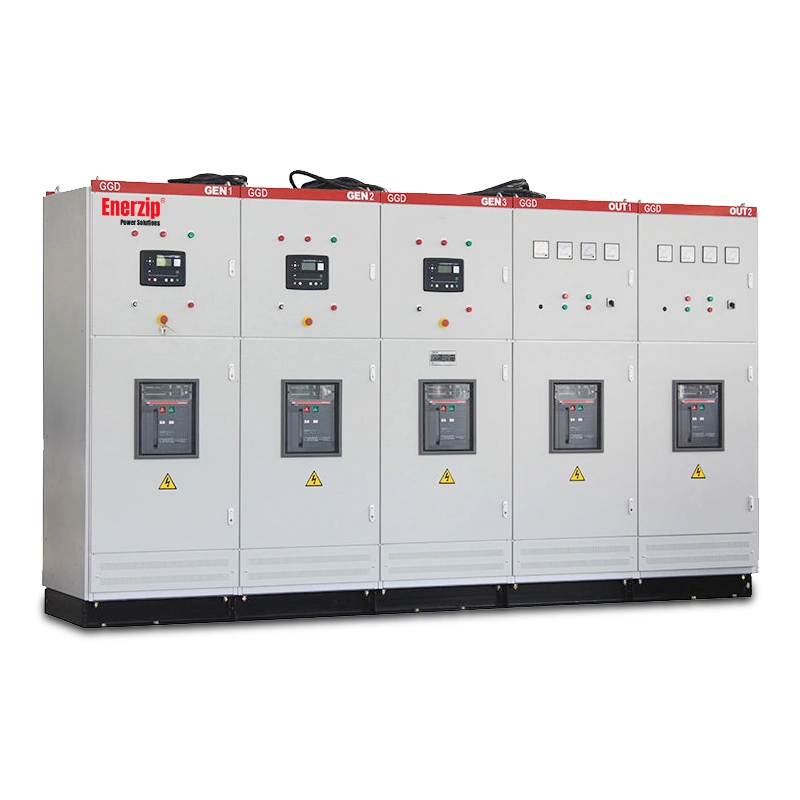
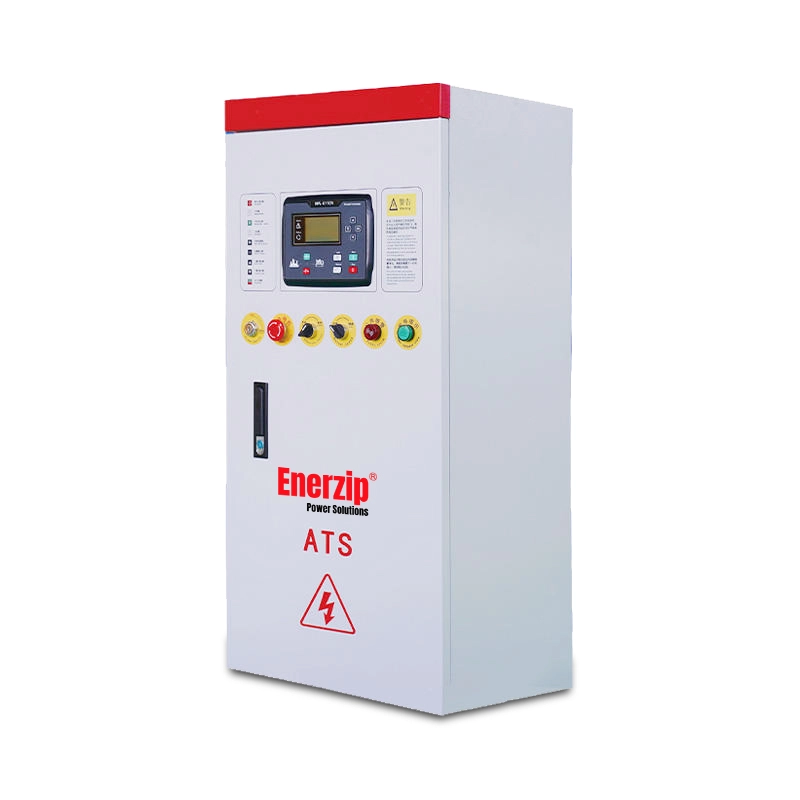
The fourth mistake is treating ATS, synchronizing, or switchgear logic as accessories rather than part of the system. In hospitals, data centers, and many industrial plants, those controls are part of the engineering core.
The fifth mistake is underestimating site conditions. Heat, altitude, dust, poor ventilation, weak maintenance access, and fuel logistics affect real performance far more than many buyers expect.
The sixth mistake is failing to define testing and support before purchase. In critical environments, the acceptance plan should be part of the buying decision, not something left until after installation.
A Practical RFQ Checklist for Serious Buyers
If you want useful quotations from a generator supplier, do not send only this message: “Please quote one 1000 kVA generator.”
A better RFQ should include the required kW / kVA, voltage, frequency, and phase; critical loads and load priority; largest motor or single-step load; standby, prime, or continuous-duty expectation; maximum acceptable transfer time; site ambient temperature, altitude, and dust level; installation format such as open, silent, weatherproof, or containerized; fuel storage target and refill assumptions; ATS, AMF, synchronizing, or remote monitoring scope; and future expansion plans.
The clearer the RFQ, the easier it is for industrial generator manufacturers and system integrators to recommend the right system.
Why Professional Buyers Choose System-First Generator Suppliers
Professional buyers eventually learn that the best project outcomes come from a system-first approach. That means the supplier is not just selling a genset. The supplier is helping define the right duty rating, the right redundancy strategy, the right engine-alternator-control combination, the right ATS or switchgear logic, the right fuel autonomy plan, the right installation format, and the right test and commissioning scope.
This matters for hospital generators, generators for hospitals, data center backup generator projects, industrial power generators, industrial standby generator packages, industrial natural gas generator projects, and mining diesel generator plants alike.
At Enerzip, this is how we approach real projects. We do not treat a generator for hospital use the same way as a data center power generator. We do not treat a factory standby package the same way as a remote mining power generator. We match the equipment and power architecture to the application, the site, and the operating risk.
Enerzip’s Recommendations for Choosing the Right Backup Generator
If you are selecting a backup generator for a data center, hospital, industrial facility, or mine, Enerzip recommends starting with the real operating objective rather than the catalog rating. Define what absolutely must stay online, how quickly power must return, how long the system may need to run, and what the first major load step looks like. That discipline eliminates many errors before quotation and helps prevent oversizing, undersizing, and poor transient performance.
For data center backup power, focus first on uptime architecture, UPS interaction, cooling continuity, fuel autonomy, and future expansion. For hospital generators, start with life-safety continuity, essential electrical branches, transfer philosophy, and clinical load priority. For industrial generators, focus on motor starting, process restart risk, and the difference between standby and frequent-support duty. For mines, prioritize fuel logistics, harsh-environment durability, modular expansion, and field serviceability.
Enerzip also recommends asking for more than a basic quotation. Ask how the generator was sized. Ask how it will handle the first major load step. Ask how the ATS, switchgear, or synchronizing controls will behave. Ask how the enclosure or container manages cooling and maintenance access. Ask what tests will prove the system works under real conditions.
The right generator is not simply the cheapest unit or the largest unit. The right generator is the one that matches the application, protects the real load, fits the site, and supports dependable long-term performance.
FAQ: Choosing the Right Backup Generator
What is the best backup generator for a hospital?
The best backup generator for hospital use is the one selected around the hospital’s essential electrical system, transfer requirements, branch structure, runtime target, and critical clinical loads. In large healthcare environments, hospital diesel generator systems remain common because they offer fast emergency response and a proven fuel-storage model.
What should I check before buying a data center backup generator?
Check the uptime objective, UPS interaction, cooling dependency, fuel autonomy, largest load step, distribution-path philosophy, and future expansion plan. A data center backup generator should be treated as part of a system, not as a standalone machine.
Are Natural Gas Generators for Data Centers Better Than Diesel Generators?
Not automatically. Natural gas generators for data centers can be attractive where fuel supply is stable and site strategy supports them, but a data center diesel generator still offers strong emergency-start performance and a proven standby model. The correct choice depends on resilience goals, fuel assurance, code environment, and operational risk tolerance.
What Is the Difference Between Industrial Generators and Commercial Standby Generators?
Industrial generators usually face larger motors, harsher environments, more severe transient events, and higher restart risk. An industrial standby generator often requires stronger engineering around motor starting, sequencing, duty cycle, and site conditions than a lighter commercial standby package.
How Do I Size a Mining Diesel Generator?
Start with actual running load, then evaluate peak load, critical load priority, largest motor or process block, ambient conditions, dust, fuel logistics, and whether the system will run as standby, prime, or off-grid power. A mining diesel generator plant is often better designed as a modular multi-set solution than as a single large machine.
How Much Fuel Should a Backup Generator System Have?
That depends on criticality, outage duration risk, refill strategy, and local requirements. Hospitals and remote mines usually need more conservative fuel planning than ordinary commercial buildings. Fuel strategy should be treated as part of preparedness, not as an afterthought.
Why Do Mines Often Still Use Diesel Generators?
Because many mines operate under weak-grid or remote conditions where utility supply is insufficient, unstable, or both. In these conditions, a diesel generator for mining remains one of the most practical ways to protect production continuity.
What Should I Ask Industrial Generator Manufacturers Before Placing an Order?
Ask for the duty-rating logic, transient performance explanation, cooling capability at your site conditions, motor-start assumptions, alternator specification, control-system scope, ATS or synchronizing logic, fuel consumption curve, maintenance access, and commissioning or acceptance testing plan. Those questions will tell you much more than the headline kVA alone.