Data Center Backup Power Solutions
The power behind uptime
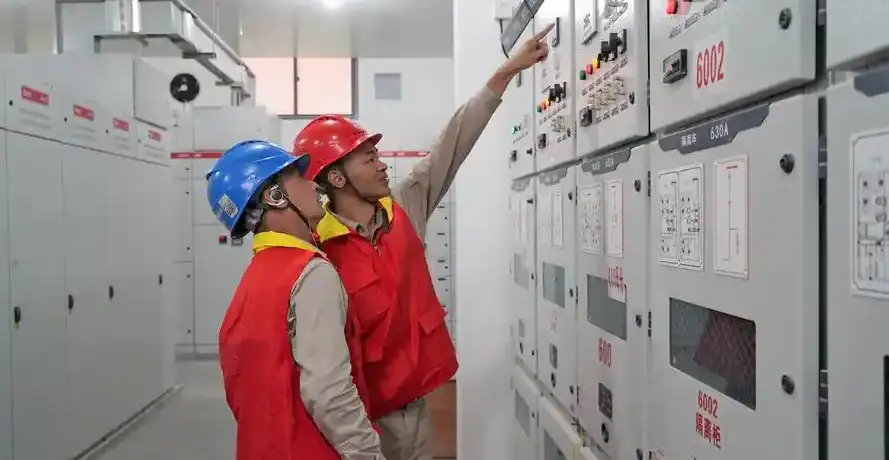
When the mains power supply is interrupted, the generator system supports more than just the server load. UPS inputs, cooling equipment, network rooms, water pumps, access control systems, security systems and building control systems may all rely on the backup power supply.
A single, brief power outage can quickly lead to issues with temperature control, network connectivity or facility operations. Consequently, backup power for data centres must not be planned solely on the basis of generator capacity; it must be configured in conjunction with actual loads, redundancy objectives, fuel supply, site conditions and future capacity growth.
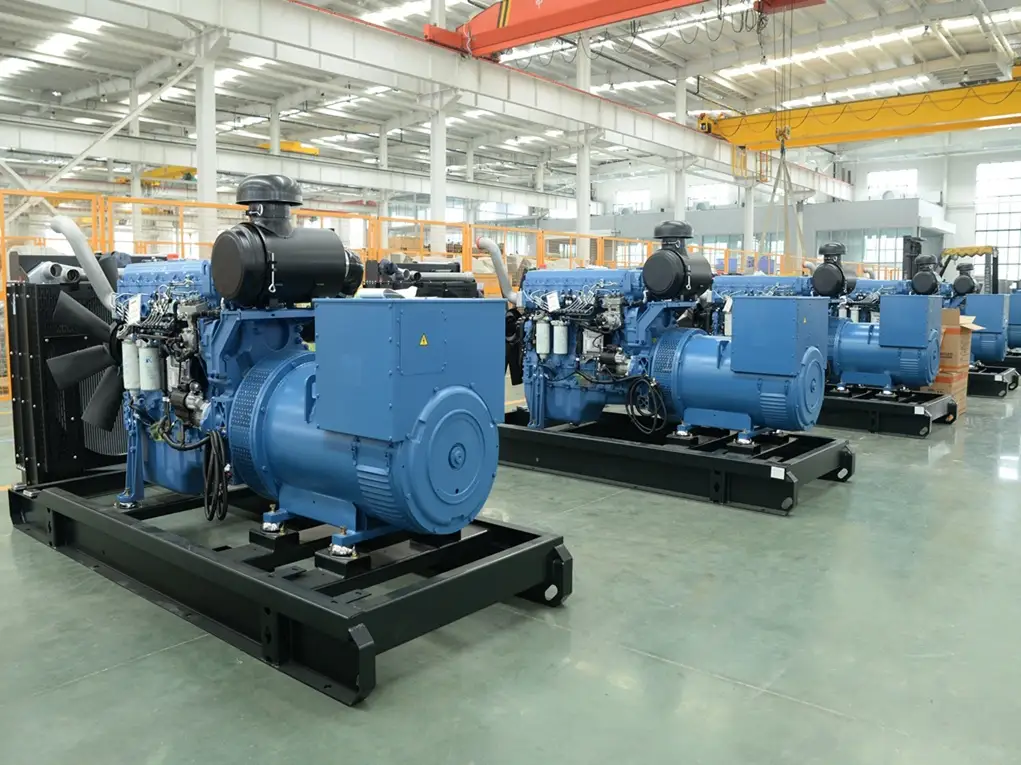
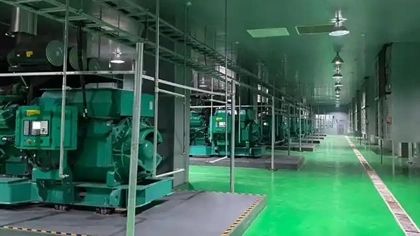
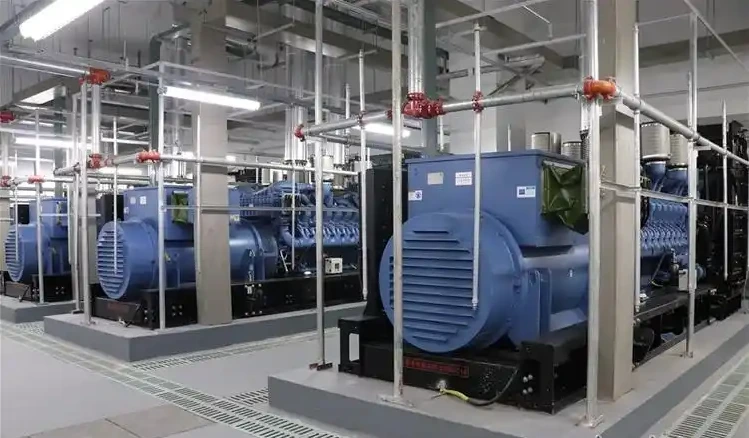
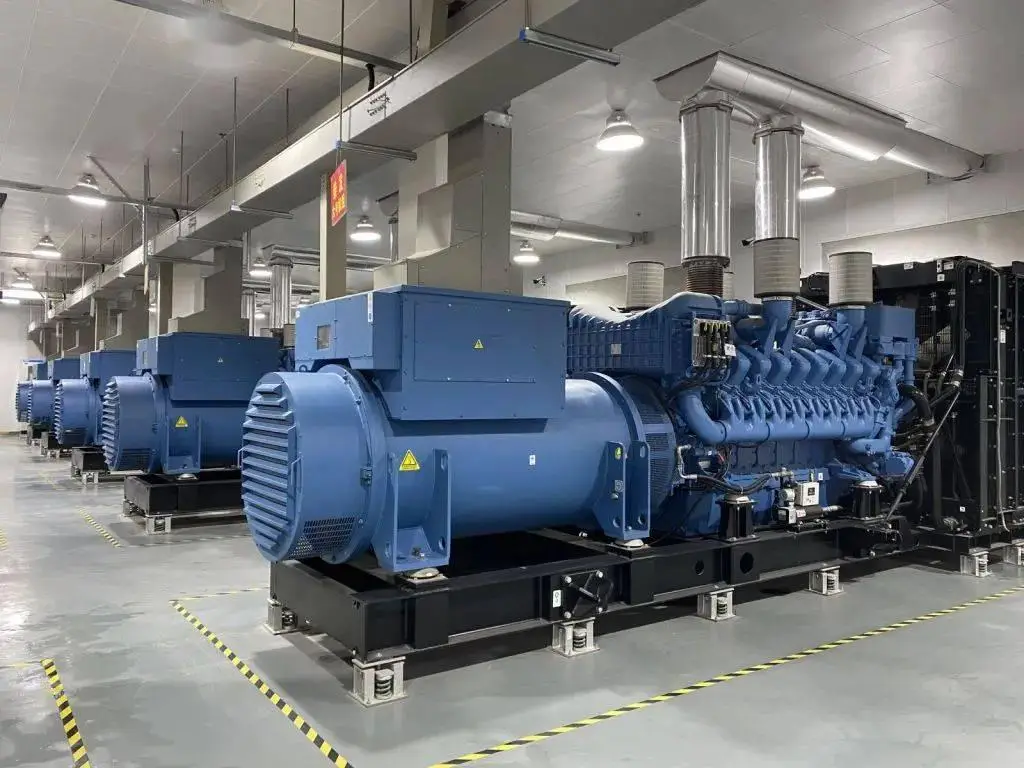
Enerzip can provide diesel generator sets, natural gas generator sets, ATS cabinets, parallel control systems, monitoring interfaces and containerised generator sets for enterprise server rooms, edge data centres, colocation facilities and large data centre campuses. Prior to production, key details such as generator start-up, load acceptance capacity, switching logic, cooling arrangements and on-site installation conditions must be confirmed.
Downtime has a price. Understand what unreliable power can put at risk.
Data centre outages are not just a matter of servers. UPS batteries can sustain the load for a short period, but generators, ATS panels, switchgear, cooling equipment, fuel supply and monitoring signals all need to be activated at the right time and work in concert.
One of the weak points is the IT load itself: servers, storage systems, network switches, routers, firewalls and security systems all require a stable power supply. Another weak point is cooling. If chillers, pumps, fans or precision air conditioning units fail to resume operation promptly, the data centre temperature may rise even whilst the IT loads are still running on the UPS.
The performance of generators under load steps must also be verified in advance. UPS recharging, motor start-up, chiller restart, pump operation and staged load restoration can all affect voltage and frequency stability, particularly where system capacity or control logic has not been configured accurately.
For data centre projects, Enerzip examines the entire backup power chain: critical load capacity, UPS coordination, cooling load characteristics, switching sequences, redundancy objectives, generator parallel operation, ambient temperature, fuel supply arrangements and future expansion. The objective is simple: to ensure that the backup system matches the facility’s actual load, rather than relying solely on the generator’s nameplate power.

Engineering Coordination
Prior to production, Enerzip will verify the generator’s power rating, voltage, ATS range, parallel operation configuration, cooling layout, fuel tank arrangement, and the design of the container or soundproof enclosure. These details will affect on-site wiring, ventilation, lifting, installation space and commissioning work.
Scope of Supply
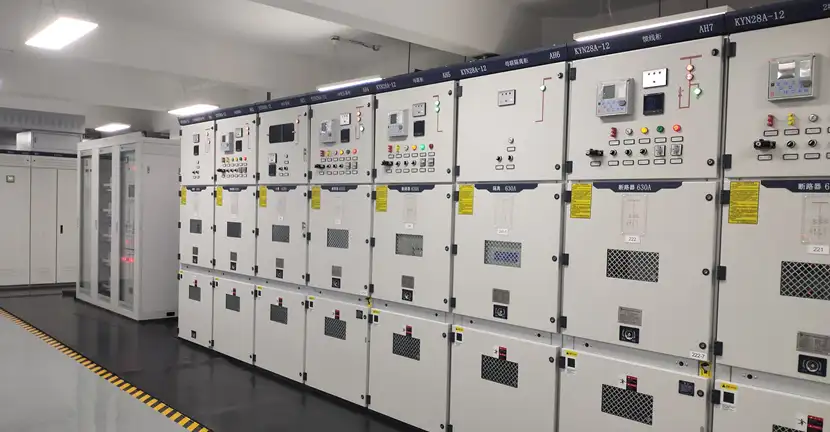
The scope of supply may include open-frame, sound-attenuated/weatherproof, trailer-mounted or containerised generator sets, and may also include ATS panels, parallel systems, fuel tanks and monitoring interfaces. On-site space, noise restrictions, voltage ratings, redundancy design and lifting conditions will determine the final configuration.
Operation and Maintenance
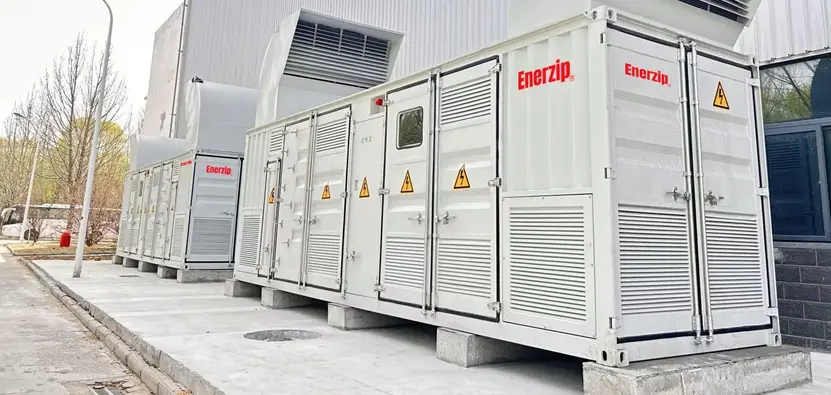
Following delivery, Enerzip can provide technical support regarding installation, commissioning, controller configuration, alarm signal verification, spare parts planning and troubleshooting. For multi-generator parallel or containerised systems, maintenance access, radiator airflow, fuel supply and control logic must be confirmed in advance to minimise the need for on-site modifications later on.
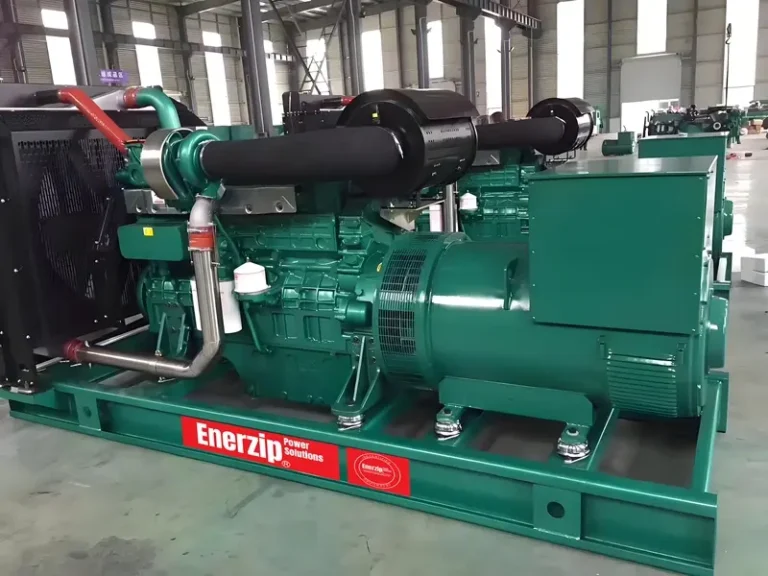
Introducing Enerzip’s 1.0-2.75 MW Diesel Generators
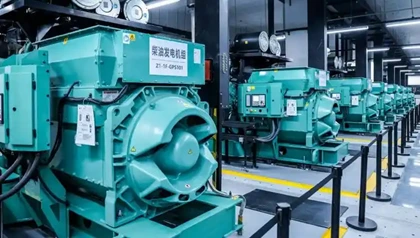
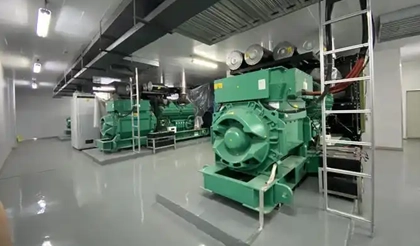
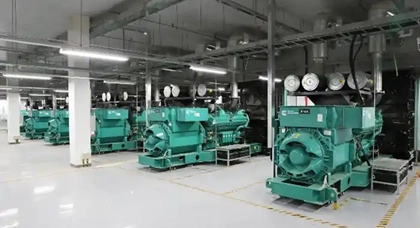
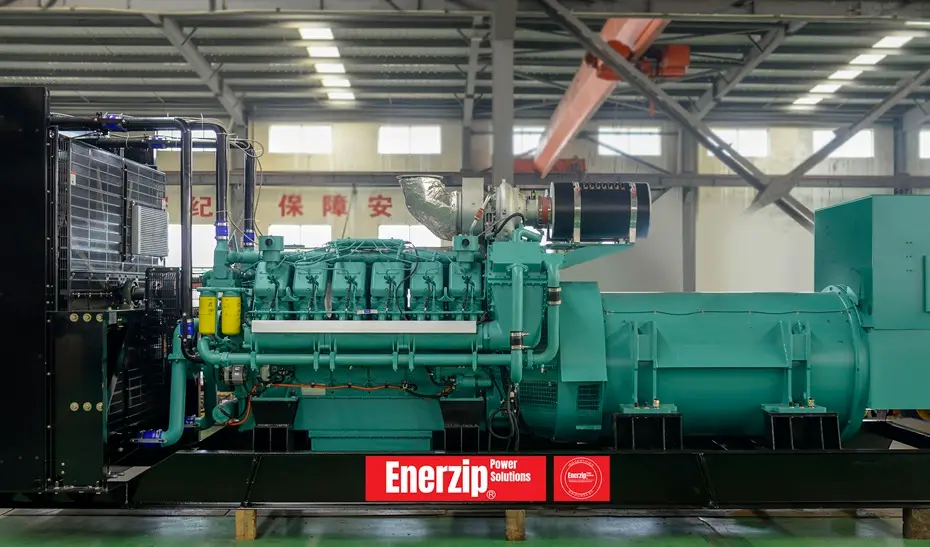
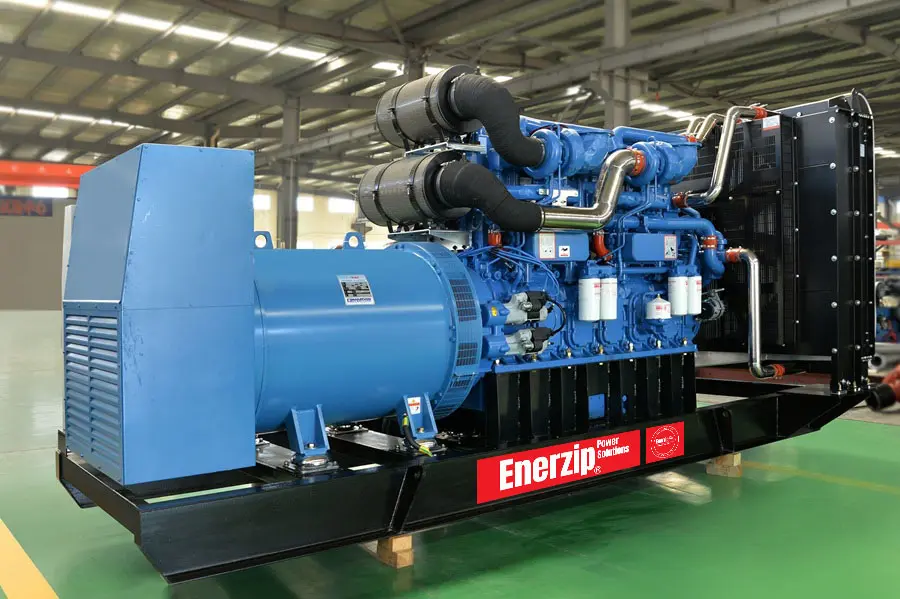
The Enerzip C Series diesel generator sets utilise the Cummins engine platform. For data centre backup power projects, the 1.0–2.75 MW power range is typically used for larger standby loads, N+1 generator configurations, ATS switching, parallel control or containerised installations.
Data centre generator sets cannot be selected based solely on MW capacity. Voltage, frequency, UPS recharge, cooling load, load steps, ambient temperature, altitude, fuel supply, noise limits, maintenance space, generator selection, controller brand, enclosure type and cooling configuration must all be confirmed prior to production. The final turnkey solution should be determined based on the on-site electrical architecture and installation conditions.
C Series Diesel Generator Features for Data Center Backup Power
Enerzip C Series diesel generator sets utilise the Cummins engine platform. For data centre standby power projects, several key aspects must be confirmed prior to production: start-up performance, load step response, UPS coordination, cooling capacity, ATS/parallel operation logic, and installation conditions.
Cummins Engine Platform
The C Series utilises Cummins diesel engines for industrial standby power applications. Engine models are selected based on the required kW/kVA, voltage, frequency, load step response, ambient temperature, altitude and operating mode.
Paralleling and Control
DSE, ComAp, DEIF or SmartGen controllers manage start-stop logic, synchronised parallel operation, kW/kVAr load sharing, circuit breaker control, alarm feedback and monitoring signal output.
Alternator Options
C Series generator sets can be configured with STAMFORD, Leroy Somer, Siemens, Marathon, ENGGA or Shanghai Stamford generators. The choice of generator is determined by voltage rating, load type, motor starting requirements, UPS compatibility, harmonic requirements and project preferences.
Starting System
The starting system is confirmed prior to manufacture. The starter motor, battery capacity, charger, control circuits and ambient temperature all influence the generator’s starting performance following a mains failure.
Installation Format
Open-frame, sound-attenuated/weatherproof and containerised configurations are available. The final configuration will be determined by the generator room layout, outdoor environment, noise restrictions, ventilation, hoisting space, maintenance access and transport methods.
High-Ambient Cooling
For high-temperature climates, generator room installations and containerised installations, the radiator capacity and airflow layout must be verified. C Series generator sets can be configured with high-temperature cooling options, including a 50°C cooling option suitable for more demanding site conditions.
Backup, scaled for uptime: high-performance power for data centers with the support you need.
Backup Power Planning for Real Data Center Loads
Backup power is not merely a question of generator capacity. In a data centre, UPS inputs, cooling equipment, water pumps, fire protection loads, security systems, network rooms and building control systems may all be connected to the same backup power circuit. Prior to system validation, it is necessary to verify generator capacity, ATS logic, parallelisation sequence, fuel supply, cooling capacity, on-site space and future IT load growth.
Critical loads, UPS recharge requirements, cooling demands and redundancy objectives must be confirmed first.
ATS logic, generator start-stop sequences, load distribution and monitoring signals must be clearly defined.
On-site space, ventilation, fuel layout, maintenance access and expansion plans will influence the final layout.
Data Center Reference Project for Critical Operations
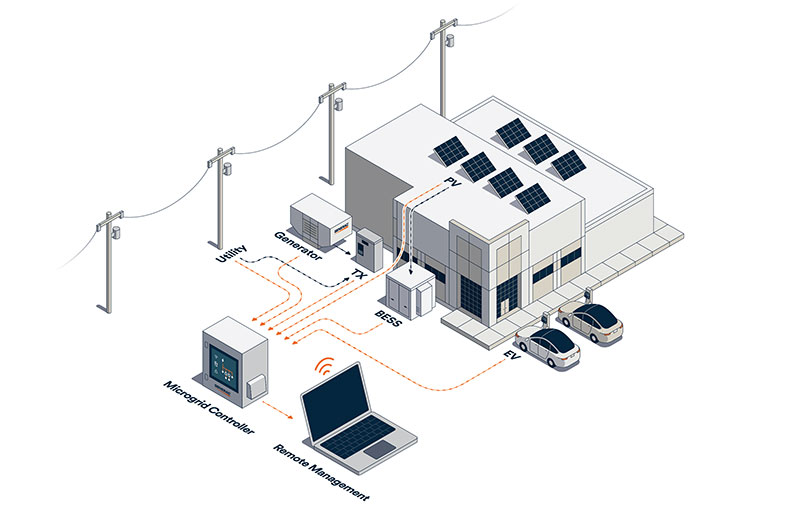
The reliability of a data centre’s backup power system cannot be assessed solely on the basis of generator capacity. Mains power supply, UPS systems, cooling loads, ATS cabinets, backup generator sets, fuel supply and monitoring signals all form part of the same power chain. In the event of a mains power failure, the system must manage UPS discharge, generator start-up, cooling restoration, phased load restoration and operational alarms.
Weifang Smart City Center Enhances Government Cloud Reliability
The Weifang Municipal Government Cloud forms part of the city’s smart governance infrastructure. Designed to meet continuous operation requirements, the facility features a total power capacity of approximately 15 MW, around 300 server racks, dual 10 kV mains power feeds, 2N redundant UPS systems, and standby diesel generator sets. This power infrastructure is designed to support the government cloud’s operational workload and 24/7 data centre operations. Regarding recognised data centre reliability classifications, buyers may also refer to the Uptime Institute Tier Standard.
The Weifang Smart City Center uses dual utility feeds, 2N UPS and standby diesel generator backup to keep government cloud workloads running during power disturbances.
15 MW Total Power Capacity
300 Racks
Supporting government cloud workloads
2N Redundant UPS
UPS architecture for critical load continuity
Tier 3+ / Grade A
Designed for 24/7 data center operation
Tell Us About Your Power Requirements
To recommend the right Data Center Backup Power solution, we need to understand your critical load profile, redundancy target, and backup architecture requirements.
Power: required kVA/kW or MW, standby duty, N / N+1 / parallel redundancy target, expected operating hours per outage
Electrical: 50/60Hz, voltage, phase, low-voltage or medium-voltage output requirement, distribution layout
Loads: UPS input, cooling systems, pumps, chillers, fire protection, security systems, largest load step and recovery expectation
Mode: ATS required or not, single unit or multi-unit paralleling, synchronization with existing backup systems if any
Site: ambient temperature, altitude, indoor plant room or outdoor/containerized installation, footprint and acoustic limits
Expansion: future IT load growth, modular expansion plan, and long-term backup strategy
Data Center Power Platforms & Integration Solutions
Diesel Generators
For data centre backup power, Enerzip selects from the C Series, M Series and MS Series Diesel Generator Sets based on facility size, redundancy objectives, voltage levels and installation configurations.
The C Series utilises the Cummins engine platform and is suitable for backup power systems incorporating ATS switching, load step response and multi-unit control. For larger data centre campuses, the M Series or MS Series are typically used for multi-megawatt capacity, medium-voltage output, containerised generator rooms or heavy-duty generator set configurations.
Load capacity, voltage level, site space, cooling conditions, redundancy objectives and engine platform preferences will determine the final generator set selection.
Natural Gas Generators
For data centre sites with a stable gas supply, Enerzip offers the C Series, P Series and select W Series Natural Gas Generator Sets.
Gas generator projects must first consider fuel conditions. Gas pressure, gas quality, start-up performance, operating hours, local regulations and maintenance schedules must all be clarified prior to production. The C Series covers industrial gas standby and standby power applications suitable for prime power conditions. The P Series is suitable for larger fixed power systems or where combined heat and power (CHP) solutions are being considered. The W Series is suitable for projects where gas supply, cost control and long-term operational planning are key factors.
For data centre applications, the stability of the gas supply and start-up performance should be confirmed prior to model selection.
ATS
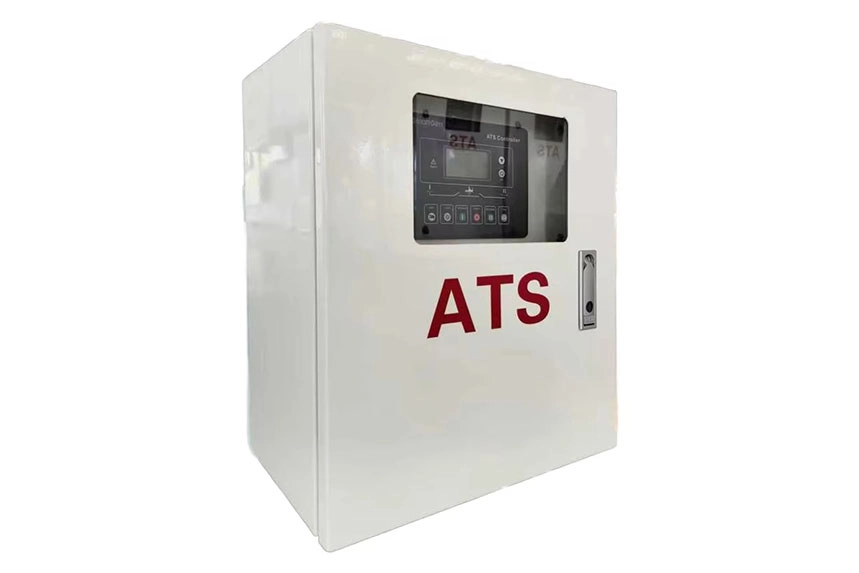
Enerzip ATSE Series Automatic Transfer Switches are used to switch between mains and standby generator power sources.
In data centre standby power systems, ATS selection is not determined by rated current alone. Rated current, voltage, number of power sources, switching logic, interlocks, position feedback, maintenance isolation, UPS coordination and generator start-up sequence all influence the final ATS scope.
ATS enclosures can be used for single-generator backup systems or for larger generator parallel systems. Electrical single-line diagrams, circuit breaker arrangements, control signals, commissioning plans and ATS layout should be verified together.
Paralleling & Grid-connect Systems
For projects involving multiple generator sets, Enerzip utilises the EZ-PGC Series Paralleling & Grid-Connect Systems.
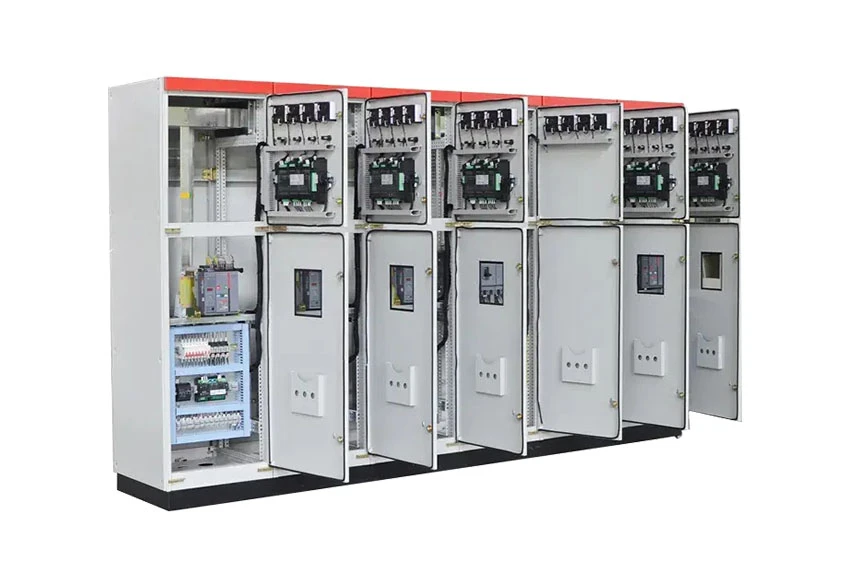
This system coordinates generator start-up, synchronised parallelling, kW/kVAr load sharing, circuit breaker control, alarm feedback, fault isolation and monitoring signal output. In N+1 or larger-scale backup power systems, this control layer enables multiple generators to operate as a single backup power plant.
For data centre projects, parallelling logic cannot be considered in isolation from the overall electrical system. ATS operation, switchgear layout, UPS recharge, cooling recovery, load step-up, fuel supply and future capacity expansion all influence control strategies. The finalised solution will be determined based on the number of generators, redundancy objectives, single-line diagrams and on-site commissioning requirements.
Scalable Backup Architecture for Critical Uptime
Backup power for data centres is not a one-size-fits-all solution. Enterprise server rooms, edge sites, colocation facilities and large data centre campuses employ different generator capacities, ATS configurations, parallelisation logic, redundancy levels, fuel supply arrangements and installation methods.
For smaller server rooms, the configuration may consist of a single standby generator with an ATS switch. Larger facilities typically employ multiple generators in parallel, containerised generator sets, medium-voltage output, staged load restoration, or N+1 redundancy. Control schemes integrate generator start-up, switching sequences, UPS recharge, cooling restoration, load distribution and alarm feedback.
The final layout will be determined by load conditions, UPS coordination, cooling requirements, switching sequences, available space, noise restrictions, fuel supply and IT load growth plans. Generator capacity is only one part of the backup power architecture; on-site operating conditions determine how the system is configured.
Backup Power for Different Data Center Facilities
Hyperscale & AI Data Centers
Large-scale campuses typically involve high-density IT loads, multiple generator sets, medium-voltage power distribution, N+1 or higher redundancy, UPS coordination, cooling recovery, and phased capacity expansion.
Edge & Enterprise Facilities
Edge sites and enterprise server rooms typically face challenges such as tighter space constraints, limited backup capacity, noise restrictions, ATS switching, compact generator layouts, and remote monitoring points.
Colocation Data Centers
Colocation data centres typically involve shared tenant loads, phased expansion, generator parallel operation, load distribution, maintenance aisles, alarm feedback, and a clear division of operational responsibilities.
Review Your Backup Power Architecture.
A data centre backup power solution is easier to finalise once the load profile, redundancy objectives, site constraints and expansion plans are clear. If you already have single-line diagrams, preliminary load schedules, data centre layout plans or container installation plans, please send them to Enerzip for review.
Enerzip will review the generator platform, ATS scope, parallel operation logic, container layout, cooling arrangements, fuel supply plan and monitoring interfaces in accordance with your facility requirements.