BLOG

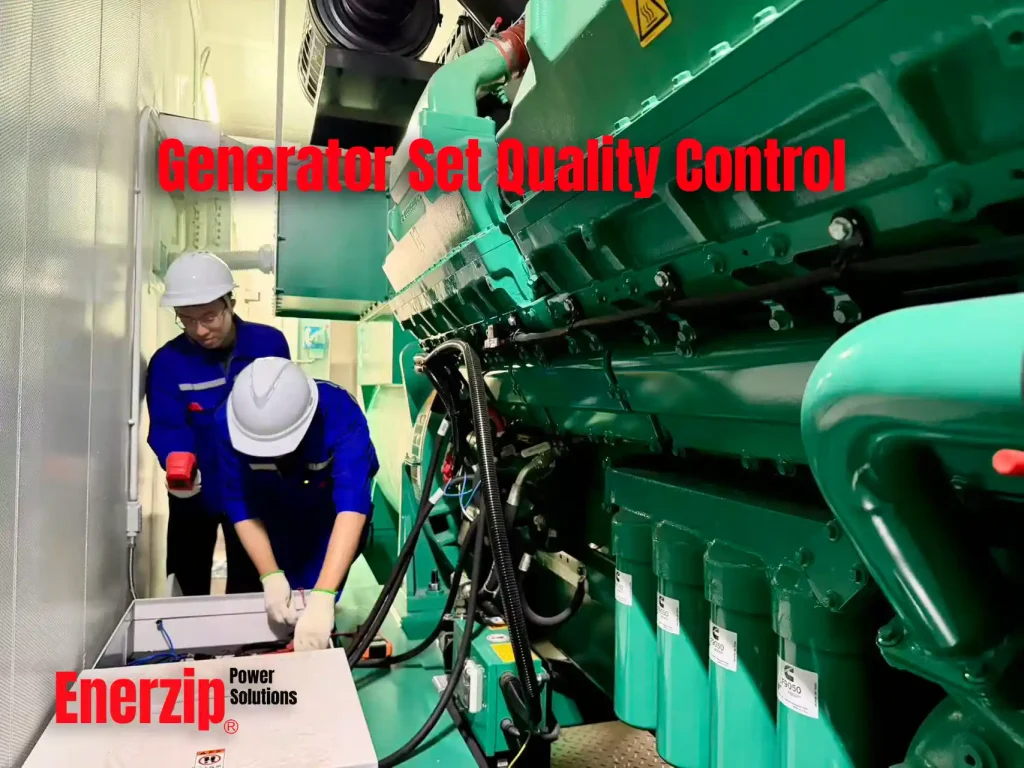
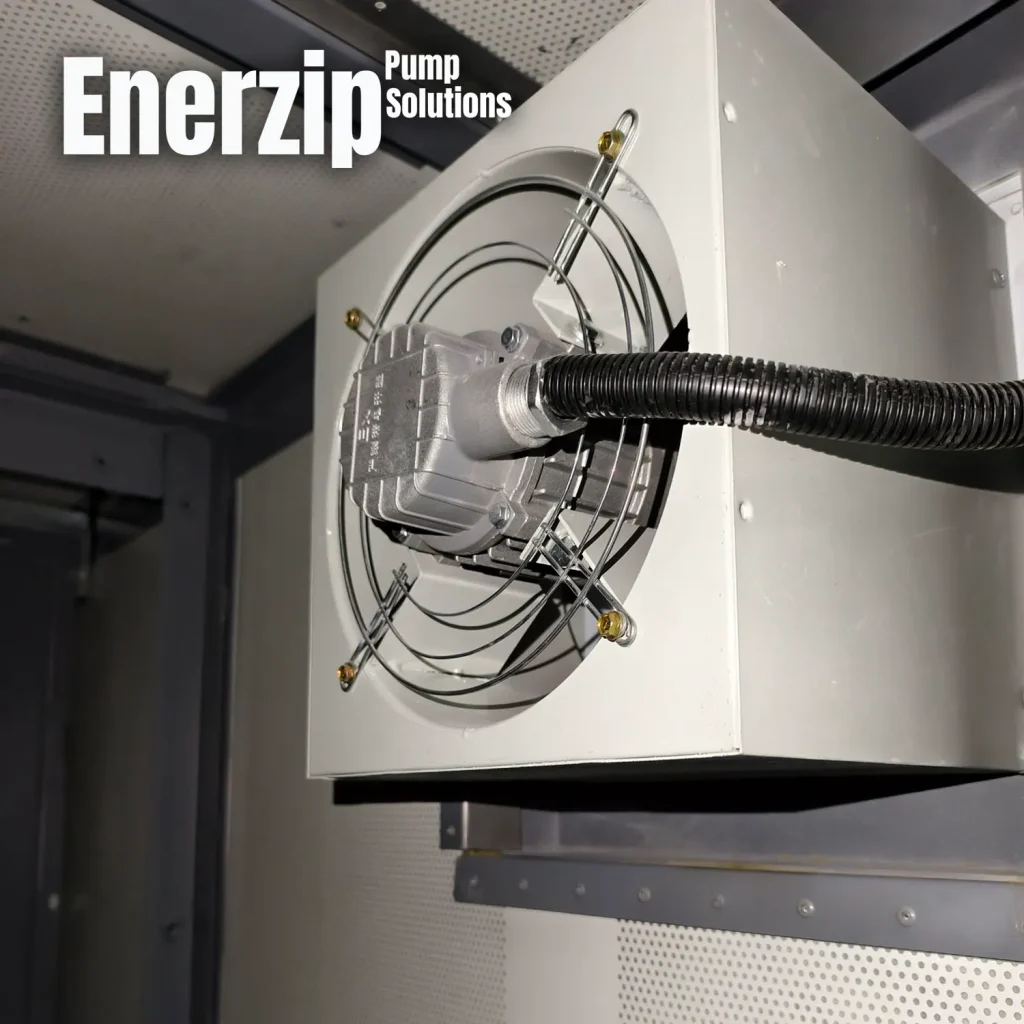
Enerzip genset cooling and ventilation workflow showing high-ambient derating, enclosure airflow pressure drop/recirculation checks, and FAT/SAT acceptance logging.

Cooling and Ventilation Guide: High-Ambient Derating, Enclosure Airflow, and Acceptance Testing

Genset cooling and ventilation requirements for 40–50°C sites: define airflow and external static pressure limits, reduce recirculation risk, and prove performance with FAT/SAT thermal logging before commissioning.
Genset FAT/SAT testing workflow showing event-based acceptance targets for ATS transfer, staged load pick-up, motor start/UPS step events, and data logging evidence (min VLL/Hz, dip duration, recovery time).

Genset FAT/SAT Testing & Commissioning Guide

Genset FAT/SAT testing guide for standby generator systems: define event-based acceptance targets, run RFQ-ready FAT/SAT checklists, log voltage/frequency dips, ATS transfer timing, UPS recharge, thermal runs, and paralleling evidence to reduce commissioning rework and downtime.
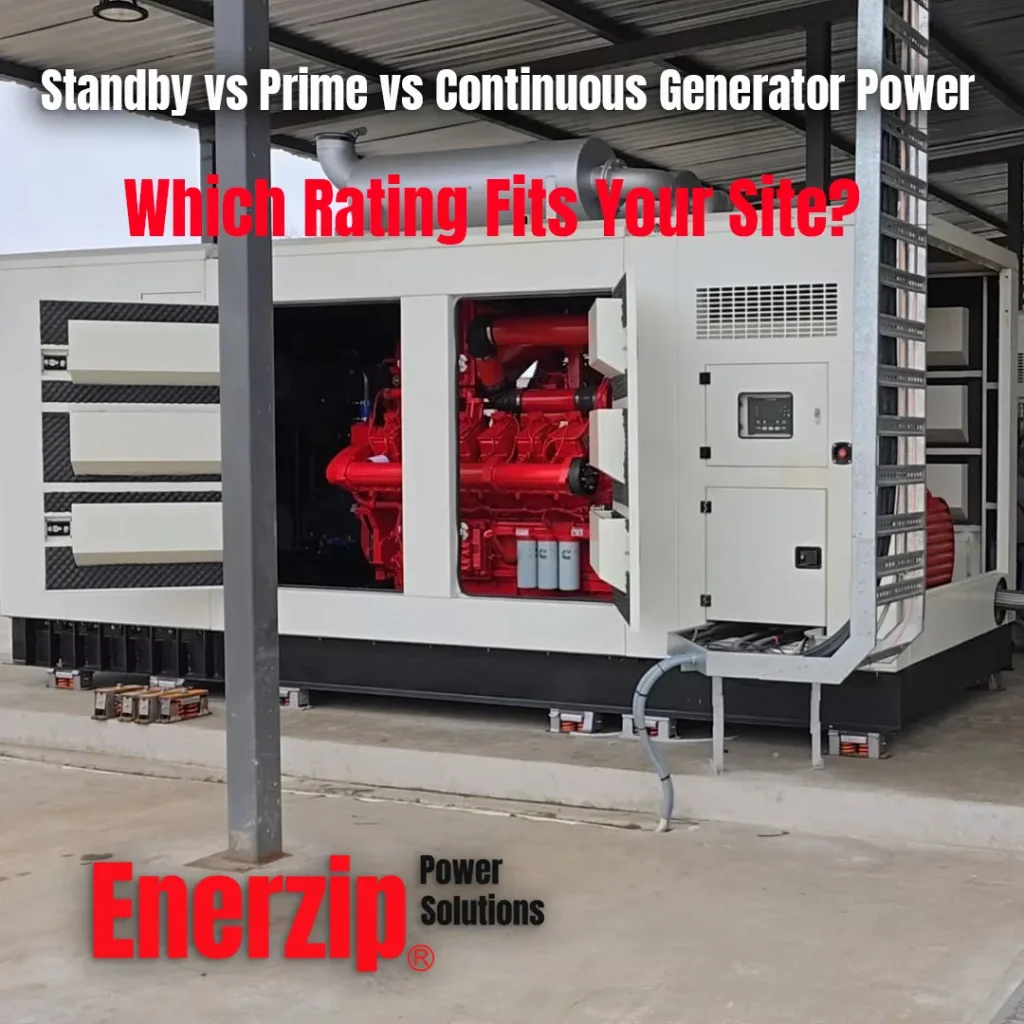
ISO 8528 generator set ratings guide cover showing ESP vs PRP vs COP vs LTP selection based on duty cycle, load profile, and derating factors (temperature, altitude, enclosure airflow).

Understanding ISO 8528 Generator Set Ratings (ESP vs PRP vs COP)

ISO 8528 generator ratings explained for EPC RFQs: ESP vs LTP vs PRP vs COP, duty cycle and load profile, derating factors, and copy/paste wording to prevent disputes.
Industrial backup generator sizing workflow showing kW vs kVA conversion, load list, motor starting and ATS transfer events, derating, and ESP/PRP rating selection.

How to Size an Industrial Backup Generator (kW vs kVA, ESP/PRP)

Learn how to size an industrial backup generator with a project-grade workflow: kW vs kVA, ESP/PRP/COP ratings, motor starting, step loads, site derating, ATS, load shedding & paralleling.
EPC generator specification checklist showing RFQ sections for project intent, electrical fundamentals, load profile and motor starting, duty rating (ESP/PRP/COP), ATS/load shedding/paralleling controls, site derating, packaging, switchgear boundaries, and FAT/SAT deliverables.

Generator Specification Checklist for EPC Projects

Use this generator specification checklist to build an RFQ-ready genset scope for EPC projects. Define duty cycle, load profile, ATS/paralleling, site derating, and FAT/SAT acceptance targets to reduce downtime risk and avoid oversizing.
Industrial generator TCO diagram comparing lifecycle costs: fuel (g/kWh vs L/h at 25/50/75/100% load), maintenance and spares, downtime risk from ATS transfer and motor starting events, derating from high ambient enclosure airflow, and FAT/SAT acceptance testing scope.

Industrial Generator TCO: Why “Cheap” Gensets Cost More

Industrial generator TCO guide for procurement and EPC teams: compare lifecycle cost drivers—fuel consumption, maintenance & spares, downtime risk, ATS/load shedding/paralleling scope, and FAT/SAT acceptance testing—to avoid “cheap” gensets becoming expensive.
Enerzip backup power architecture for data centers and hospitals showing ATS transfer, UPS ride-through, load tiers, N+1 paralleling, and motor re-acceleration event flow

Backup Power Architecture for Data Centers & Hospitals

Learn proven backup power architecture patterns for data centers and hospitals: ATS vs UPS roles, N+1 paralleling, staged load pickup, load shedding, and RFQ-ready FAT/SAT acceptance targets to reduce commissioning surprises.